
Kids’ Dental Exams by Age: What to Expect From Infancy Through the Teen Years
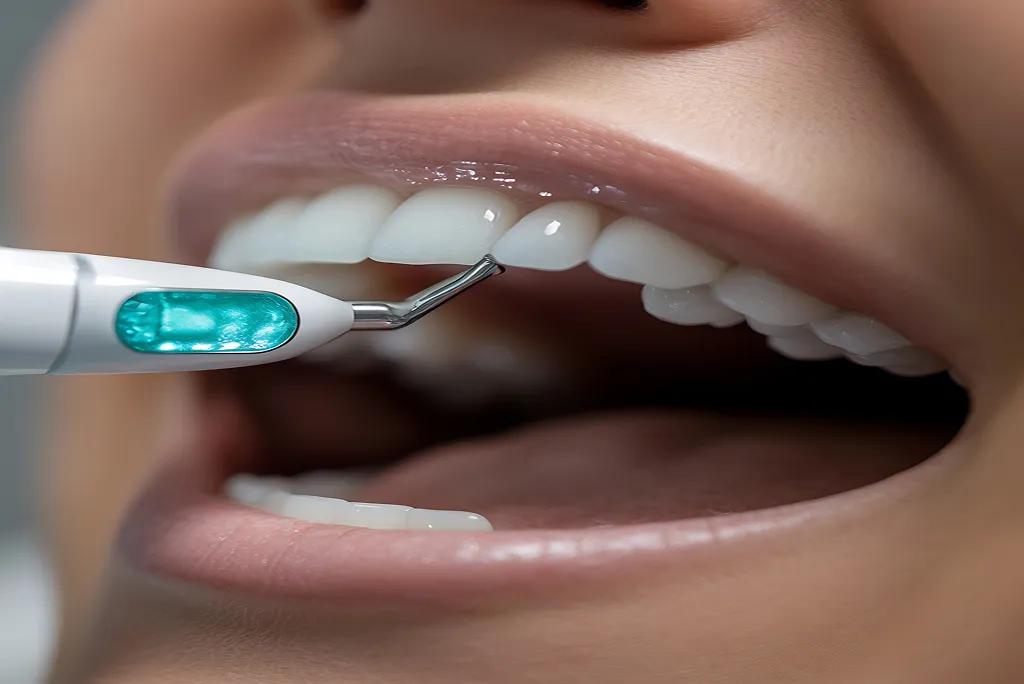
A child’s dental needs change significantly as they grow. The dental care a baby needs is different from what a school-age child or teenager needs. Regular dental exams help parents stay ahead of these changes and give children the foundation for a lifetime of healthy teeth and gums.
Many parents wonder when their child should first see a dentist, how often dental exams are needed, and what happens during appointments at different ages. The American Academy of Pediatric Dentistry recommends that children have their first dental visit by their first birthday or when their first tooth appears.
Choosing a pediatric dentist in Solon can make it easier to establish consistent dental care from an early age. At Infinite Smiles Pediatric Dentistry, dental visits are designed around the changing needs of children at every stage of development.
Why Dental Exams Matter at Every Age
A dental exam is more than a search for cavities. A child’s dentist looks at the overall health and development of the mouth, including the teeth, gums, bite, jaw, and oral habits.
Regular pediatric dental exams can help identify concerns while they are still small. They also allow the dentist to monitor how permanent teeth are developing and provide parents with guidance about brushing, flossing, nutrition, fluoride, and other preventive measures.
Children who visit the dentist regularly can also become familiar with the dental office and learn that dental care is a normal part of staying healthy.
Dental Exams for Babies and Infants
When Should a Baby First Visit the Dentist?
Your baby should have their first dental visit by age one or when the first tooth appears, whichever comes first.
This first visit may be much simpler than parents expect. The dentist checks the baby’s mouth, gums, and developing teeth and talks with parents about how to care for their child’s oral health at home.
What Does the Dentist Check?
During an infant dental visit, the dentist may evaluate:
- Early tooth development
- Gum health
- Tooth eruption
- Signs of early tooth decay
- Oral habits
- Feeding practices
- Use of bottles or sippy cups
- Fluoride exposure
- Oral hygiene routines
Parents can also ask questions about teething, thumb sucking, pacifiers, brushing, and nutrition.
Starting Healthy Habits Early
Even before all the baby teeth appear, parents can gently clean a baby's gums. Once teeth erupt, they should be brushed regularly using an age-appropriate amount of fluoride toothpaste.
Early dental visits also give parents an opportunity to learn what habits may increase the risk of childhood cavities.
Dental Exams for Toddlers
Toddlers are becoming more independent, but they still need considerable help with brushing and other oral hygiene routines.
A kids dentist in Solon can monitor how primary teeth are developing while helping parents address common toddler dental concerns.
Common Concerns During the Toddler Years
Some issues the dentist may discuss include:
- Thumb or finger sucking
- Pacifier use
- Bottle habits
- Early childhood cavities
- Tooth discoloration
- Difficulty brushing
- High-sugar snacks and drinks
- Dental injuries
Toddlers can also be unpredictable during dental visits. That is normal. Pediatric dental offices are designed to accommodate young children and help make appointments more manageable.
Dental Exams for Preschoolers
By the preschool years, children have more of their primary teeth and are developing stronger daily routines.
Regular children’s dental checkups allow the dentist to monitor the health of baby teeth and reinforce good habits.
Why Baby Teeth Matter
Baby teeth help children chew food, develop clear speech, and maintain space for permanent teeth.
Although baby teeth eventually fall out, they still need proper care. Cavities in primary teeth can cause pain and infection and may interfere with eating, sleeping, or daily activities.
Building Independence
Preschool children can begin brushing more independently, but parents should continue supervising and helping them brush effectively.
A dental visit can reinforce the importance of brushing twice a day and cleaning between teeth when appropriate.
Dental Exams for School-Age Children
As children enter elementary school, their dental needs begin to change.
Permanent teeth start replacing baby teeth, and the first permanent molars typically appear around this stage. These changes make regular dental monitoring especially important.
Monitoring Permanent Teeth
A dentist may evaluate:
- Tooth eruption
- Alignment
- Bite development
- Early signs of crowding
- Cavities
- Enamel concerns
- Gum health
- Oral hygiene
Depending on the child’s individual needs, the dentist may also recommend dental X-rays or preventive treatments such as fluoride or sealants.
Dental Sealants
Sealants are thin protective coatings that may be placed on the chewing surfaces of certain permanent molars. These teeth have grooves where food particles and bacteria can collect.
Sealants can be one part of a comprehensive approach to preventive dental care for kids.
Dental Exams for Preteens
Preteen years bring another major transition. More permanent teeth have erupted, and children may become responsible for more of their own oral hygiene.
However, parents still play an important role in maintaining healthy routines.
What Changes During the Preteen Years?
The dentist may monitor:
- Permanent tooth development
- Bite and jaw development
- Tooth crowding
- Brushing effectiveness
- Flossing habits
- Gum health
- Sports-related dental risks
- Dietary habits
Preteens may also begin orthodontic evaluation if there are concerns about tooth alignment or bite development.
Dental Exams for Teenagers
Teenagers have many of the same dental needs as adults, but they also face certain age-specific concerns.
Busy schedules, frequent snacking, sports, braces, and changes in personal hygiene habits can all affect oral health.
Common Teen Dental Concerns
A pediatric dentist in Solon may discuss:
- Cavities
- Gum inflammation
- Orthodontic care
- Wisdom teeth development
- Sports-related injuries
- Acidic drinks
- Sugary beverages
- Oral hygiene with braces
- Tobacco or vaping risks
Teenagers should gradually become more responsible for their dental care while parents continue encouraging regular appointments and healthy habits.
How Often Should Children Have Dental Exams?
Many children benefit from dental visits approximately every six months, although the appropriate schedule depends on individual needs.
Children with a higher risk of cavities, certain oral health conditions, orthodontic concerns, or other factors may need more frequent visits.
Your child’s dentist can recommend a schedule based on their dental history and current needs.
When Should You Schedule an Earlier Visit?
You should contact your child’s dentist if you notice:
- Tooth pain
- Swelling
- Bleeding gums
- Tooth discoloration
- A broken tooth
- A dental injury
- Sensitivity
- Difficulty chewing
- Persistent bad breath
- A loose tooth that concerns you
You do not need to wait for the next routine appointment if something seems unusual.
Schedule Your Child’s Dental Exam in Solon
Regular dental exams give children the opportunity to develop healthy habits while allowing dental concerns to be identified early. If you are looking for a trusted pediatric dentist in Solon, Infinite Smiles Pediatric Dentistry provides age-appropriate dental care for infants, children, preteens, and teenagers.
Schedule a dental exam with Infinite Smiles Pediatric Dentistry and give your child a healthy start for every stage of their smile.
FAQ
Q1: When should my child have their first dental exam?
A: Children should generally have their first dental visit by their first birthday or when their first tooth appears. Early visits help parents learn how to care for developing teeth and allow the dentist to identify potential concerns.
Q2: How often should children visit the dentist?
A: Many children benefit from dental exams about every six months. However, some children may need more frequent visits depending on their cavity risk, oral health, and individual dental needs.
Q3: Why are dental exams important if my child has healthy teeth?
A: Regular exams help monitor dental development and identify early signs of problems that may not be visible or cause symptoms. They also reinforce preventive care and healthy oral hygiene habits.
Q4: Do teenagers still need a pediatric dentist?
A: Yes. Pediatric dentists can provide dental care for children and adolescents while addressing age-specific concerns such as orthodontic development, sports injuries, cavities, and oral hygiene.
Q5: What should I do if my child is afraid of the dentist?
A: Talk about the dental visit in a positive, age-appropriate way and avoid using frightening words. A pediatric dental office can also use child-friendly approaches to help children become more comfortable with dental care.


Infinite Smiles Pediatric Dentistry is now open to new patients.
Call us today at (440) 600-2171 to make an appointment for your child or teen.


OVERVIEW
SERVICES
SUPPORT
Infinite Smiles Pediatric Dentistry is now open to new patients.
Call us today at (440) 600-2171 to make an appointment for your child or teen.
© 2025 Infinite Smiles Pediatric Dentistry | All rights reserved | Privacy Policy | Disclaimer |
Notice of Non-Discrimination | Accessibility | Digital Marketing by Remedo